If you are shopping newer construction on Fort Myers Beach, “new” means more than a recent completion date. In this coastal market, newer homes and condos often reflect updated flood, wind, and permitting standards that can shape everything from elevation and glazing to timelines and long-term ownership. If you want a cleaner buying process and fewer surprises, it helps to know what to verify before you fall in love with the finishes. Let’s dive in.
Why newer construction is different here
On Fort Myers Beach, one of the first things to confirm is which jurisdiction controls the parcel. Lee County notes that projects within Fort Myers Beach may still need local-jurisdiction permitting, and the Town says some properties with a Fort Myers Beach mailing address are actually outside town limits and must be permitted through Lee County instead.
That may sound like a small detail, but it affects the permit path and the records you need to review. If you are buying a newly built or recently completed property, confirming town versus county jurisdiction should be part of your early due diligence.
The other major issue is floodplain compliance. The Town states that much of Fort Myers Beach is in a special flood hazard area and continues to enforce FEMA’s 50% substantial-damage and substantial-improvement rule during plan review.
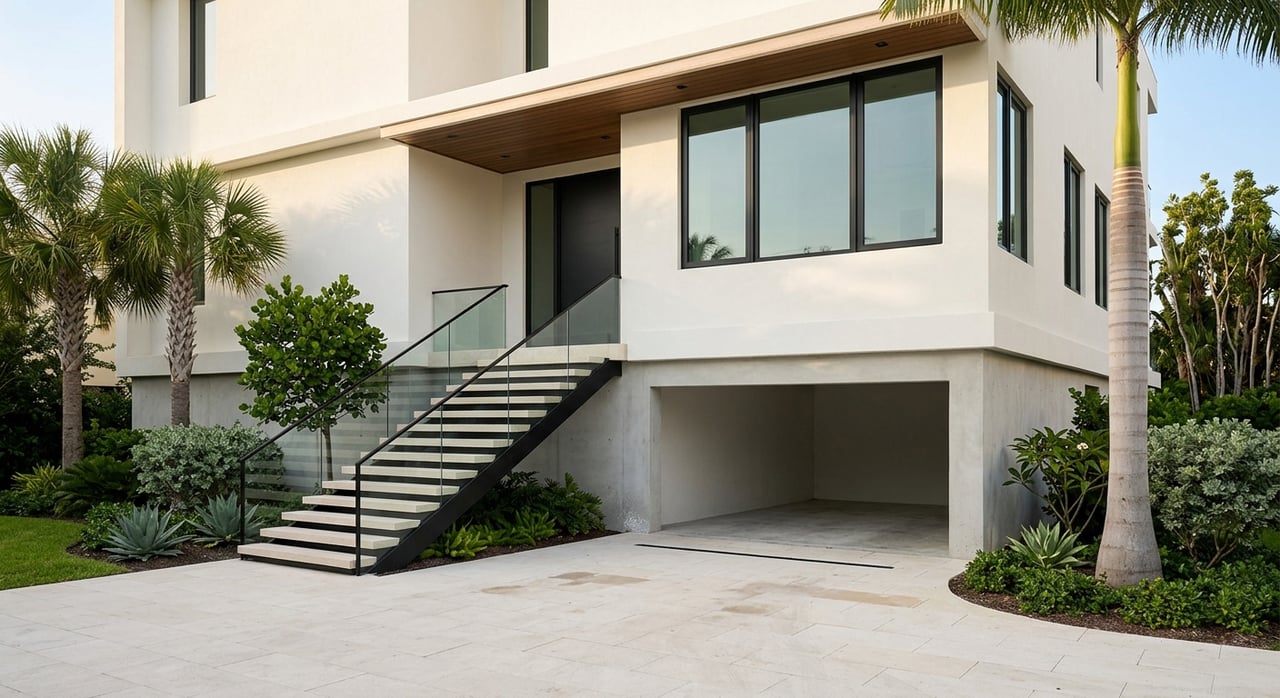
For buyers, the practical takeaway is simple: newer construction here often means built to current flood standards, not just updated style or newer materials. The Town also requires new buildings and substantially improved buildings to have the lowest floor elevated to at least base flood elevation plus one foot.
What newer construction may include
Because Fort Myers Beach is a coastal environment, newer product is often shaped by code and site conditions as much as by design preferences. Florida’s 8th Edition Building Code became effective December 31, 2023, and Lee County’s residential permit guide says coastal projects must show wind-load information and, when applicable, compliance with coastal construction, flood-hazard, and sea-turtle code sections.
That means you should evaluate a newer home or condo against the current code cycle, not older pre-2024 standards. A property completed recently may look sleek and contemporary, but the more important story is often in the structural and compliance details behind the walls and glass.
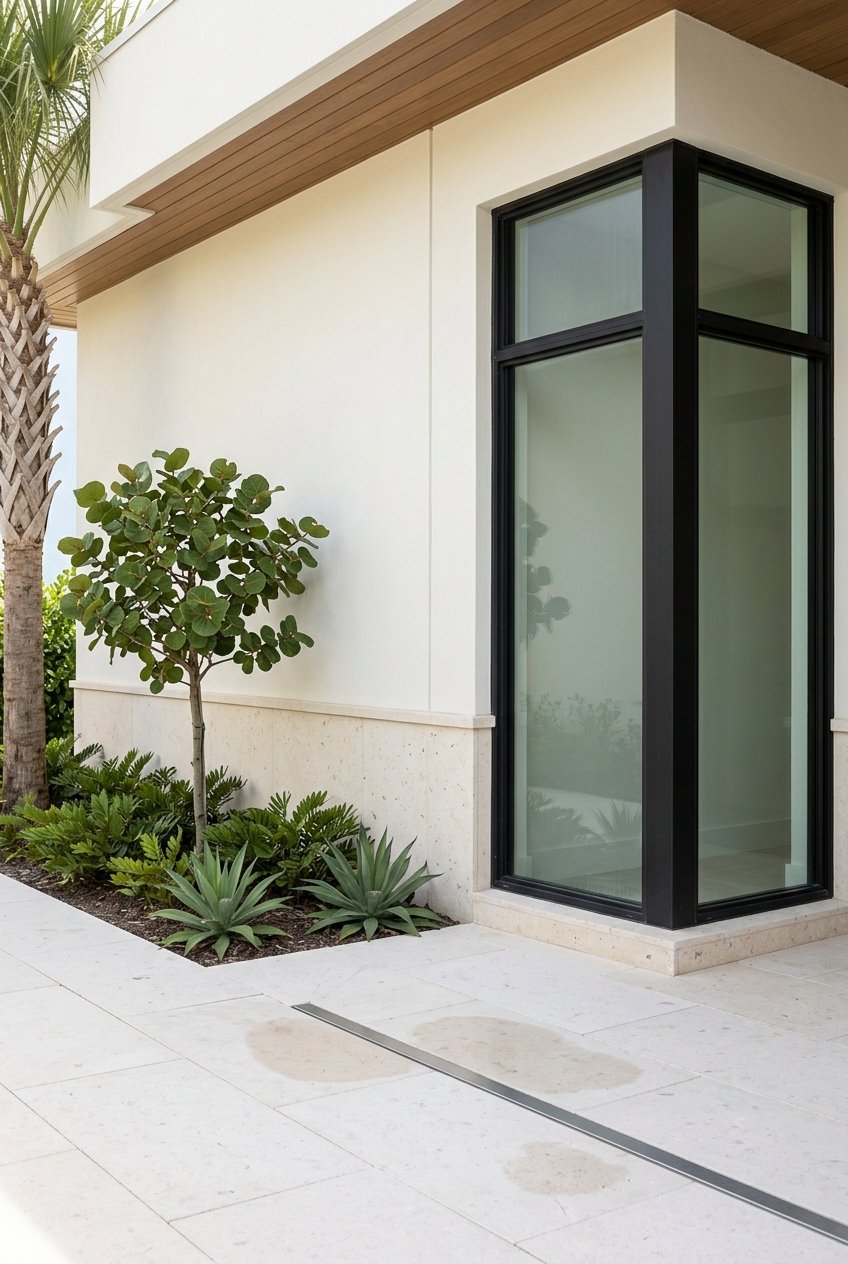
Florida’s wind-borne debris provisions can also affect what you see in newer construction. In wind-borne debris regions, glazed openings must be impact resistant or protected with an impact-resistant covering.
In practical terms, this often contributes to a more resilient coastal design. Still, code compliance is not a guarantee of perfect workmanship, which is why independent inspection remains important.
Flood elevation matters more than buyers expect
On Fort Myers Beach, elevation is not a side note. It is one of the clearest markers of whether a newer home was designed to meet current floodplain requirements.
The Town says it only accepts the updated FEMA elevation certificate form for certificates signed on or after July 7, 2023. For a buyer, that makes the final elevation certificate one of the most useful documents to request.
You also want to confirm flood-zone information and any evidence that the finished lowest floor meets current standards. This is especially important if a property is described as rebuilt, substantially improved, or newly completed after major prior damage.
Beachfront parcels can have added review layers
If you are considering a beachfront or near-beach property, there may be more to review than the standard building permit file. The Florida Department of Environmental Protection says the Coastal Construction Control Line, or CCCL, program is intended to reduce beach erosion, dune destabilization, storm damage, and interference with public access.
For parcels seaward of the CCCL, design criteria can be stricter. DEP also says habitable structures seaward of a CCCL need an elevation certificate showing the lowest horizontal structural member above the local 100-year storm elevation.
The Town’s Environmental Sciences staff also conduct environmental plan reviews and oversee coastal and marine resource projects such as beach sand renourishment. For buyers, that means a beachfront purchase may involve shoreline, dune, and environmental compliance questions in addition to the usual construction review.
Permits and timelines to understand
If you are buying a home that is under construction or close to delivery, timing matters. The Town says review times for new developments, including new single-family homes and commercial projects, are generally 10 to 15 business days, and corrections can extend that timeline.
The Town also says approved private-provider inspection firms remain an option, which can affect inspection scheduling and return timing. And construction cannot begin until a permit is issued.
This matters because buyers sometimes assume a nearly finished property is on a straight path to completion. In reality, final steps can still depend on inspections, corrections, and permit sign-offs.
As of April 16, 2025, the Town says permits for pools, driveways, single-family residences, seawalls, fences, demolition, or site improvements that disturb land require a Stormwater Pollution Protection Plan form. If you are buying a property with site work or exterior improvements still underway, that is another detail worth confirming.
Newer single-family homes: your due diligence list
If you are buying a newer single-family home on Fort Myers Beach, ask for documents that tell you how the home was approved and built, not just how it looks.
Start with this checklist:
- Confirm whether the parcel is in the Town of Fort Myers Beach or unincorporated Lee County
- Request the final elevation certificate
- Verify flood-zone information
- Ask for evidence that the finished lowest floor meets current flood standards
- For beachfront lots, confirm whether the parcel is seaward of the CCCL
- If applicable, ask whether additional DEP approvals were required
- Review permit history and final approvals where available
- Schedule a third-party inspection, even if the property is newly built
A newer home may offer stronger alignment with current standards, but that does not replace inspection. On a coastal site, flood, wind, and drainage issues can still affect ownership and maintenance.
Newer condo towers need a different review
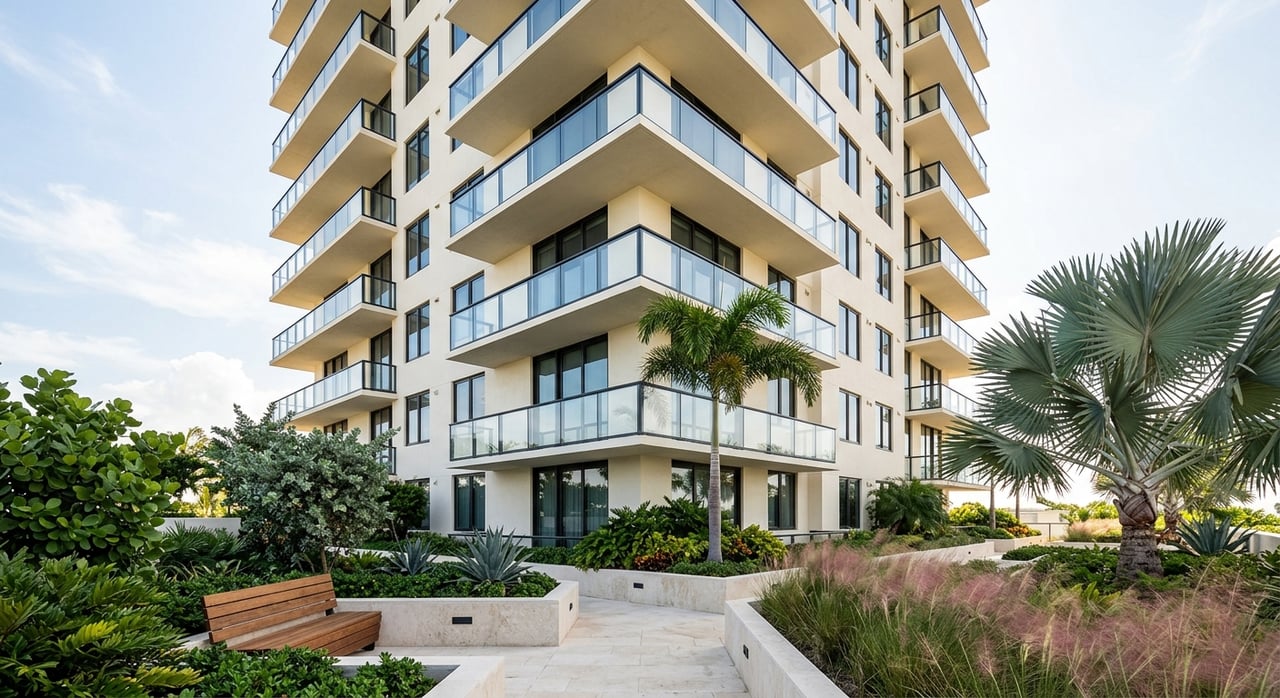
If you are buying into a newer condo building, your diligence shifts from only the unit itself to the association and building structure. Florida law requires milestone inspections for condominium and cooperative buildings that are three habitable stories or more by December 31 of the year the building turns 30, and local enforcement agencies may shorten that to age 25 when local conditions, including salt-water proximity, justify it.
The same statute requires structural integrity reserve studies for associations existing on or before July 1, 2022 and controlled by unit owners other than the developer, with a December 31, 2025 deadline for many buildings and a limited extension path tied to milestone-inspection timing.
For a newly delivered tower, the immediate issue is usually not age-based inspection pressure. Instead, the smarter questions often involve the association’s current status at closing.
What condo buyers should ask now
If you are considering a newer condo on Fort Myers Beach, request clarity on the association from day one. The statute points buyers toward practical questions that should be confirmed in the condo documents and association materials.
Ask about:
- Whether the association has turned over from the developer
- Current reserve funding status
- Whether any milestone inspection work is already planned
- Whether any structural integrity reserve study work is underway or anticipated
- What documents are available now for buyer review
This is especially important for buyers who want a lock-and-leave coastal property with fewer unknowns. A beautiful new lobby and modern residence are appealing, but your ownership experience also depends on the association’s documentation, planning, and funding.
A practical buying framework
When you evaluate newer construction on Fort Myers Beach, it helps to think in layers. First, confirm jurisdiction. Then verify flood and elevation compliance. After that, review any coastal or environmental overlays, and finally inspect the actual construction quality and association details.
That sequence keeps you focused on the items most likely to affect value, timing, and future ownership. It also helps separate cosmetic appeal from the more important question: how well was this property designed, permitted, and documented for this specific coastal setting?
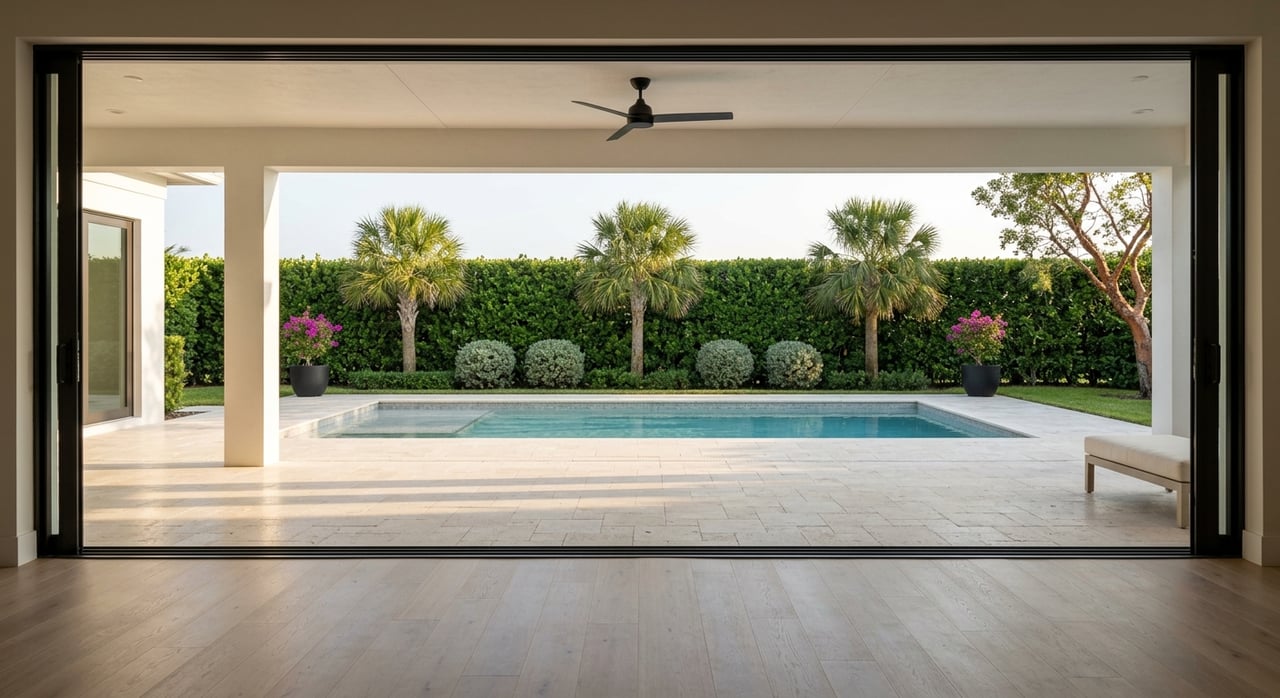
For design-minded buyers, newer construction on Fort Myers Beach can be very compelling. Clean lines, expansive glazing, elevated living spaces, and a more resilient building approach often go hand in hand here. The key is making sure the property’s documentation supports the story the architecture is telling.
If you want a guided, detail-first approach to buying newer construction or a newer condo in Southwest Florida, EPIC HOMES | REAL ESTATE offers white-glove representation with a strong focus on new construction, luxury developments, and high-rise living.
FAQs
What makes newer construction on Fort Myers Beach different from other markets?
- Newer construction here is often shaped by coastal permitting, floodplain rules, wind-load requirements, and possible environmental review, not just age or finishes.
What documents should you request for a newer Fort Myers Beach home?
- Ask for jurisdiction confirmation, the final elevation certificate, flood-zone information, evidence the lowest floor meets current flood standards, and any applicable permit or approval records.
Why does parcel jurisdiction matter for Fort Myers Beach property?
- Some properties with a Fort Myers Beach mailing address are outside town limits, so the permit path and records may fall under Lee County instead of the Town.
What is the CCCL on Fort Myers Beach parcels?
- The Coastal Construction Control Line is a state coastal review boundary that can add stricter design and approval requirements for beachfront or near-beach properties.
Should you get an inspection for newer construction on Fort Myers Beach?
- Yes. A third-party inspection is still appropriate because code sets minimum standards and does not guarantee perfect workmanship.
What should you review when buying a newer condo on Fort Myers Beach?
- Review the association’s turnover status, reserve funding, and whether any milestone inspection or reserve-study work is planned or already underway.