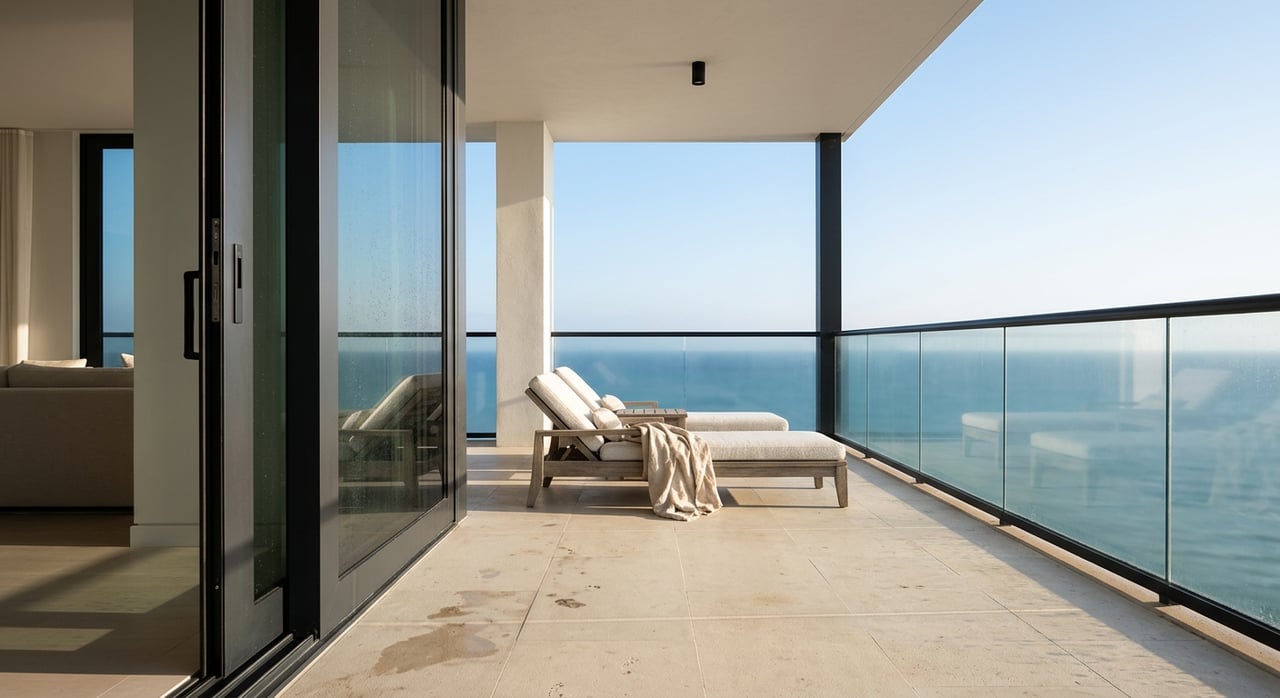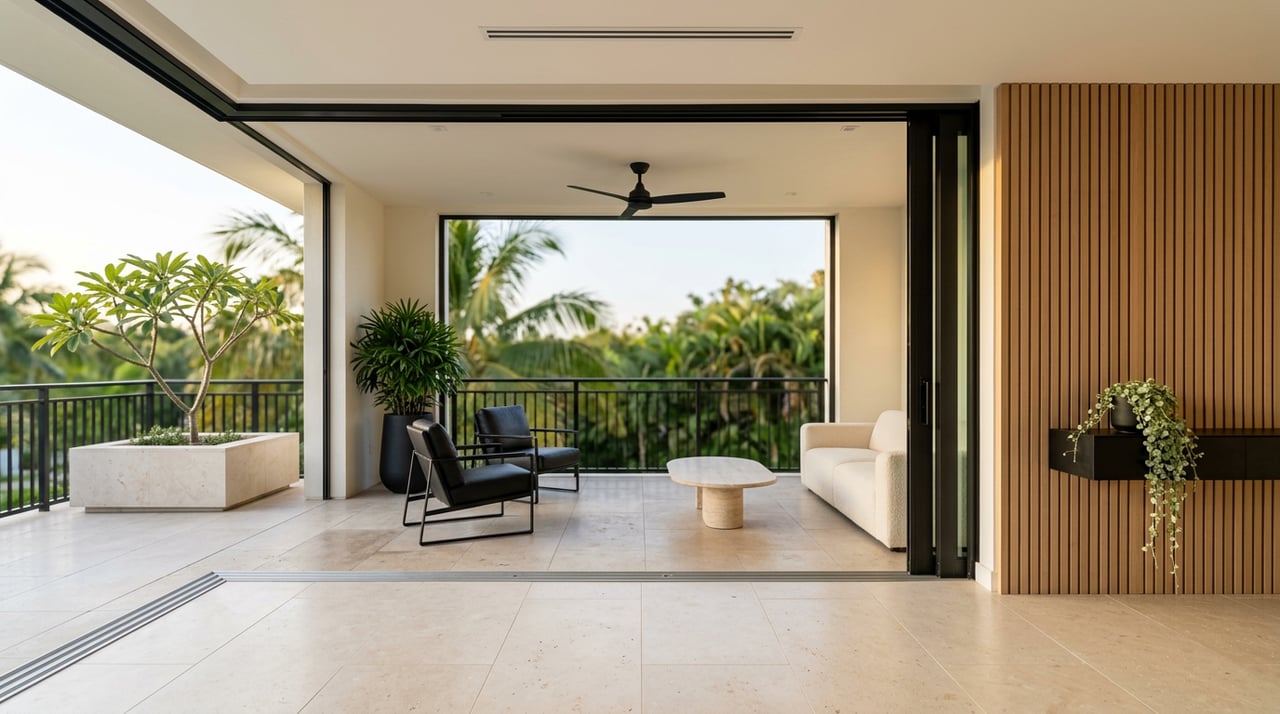
Torn between a sky-high Gulf view and a private garden courtyard? You’re not alone. In Naples, you can choose a high-rise condo with resort services or a villa that feels more like a single-family home. This guide breaks down the lifestyle, costs, and risk factors that matter most, plus the neighborhoods where each option shines. By the end, you’ll have a simple decision framework and a buyer checklist to move forward with confidence. Let’s dive in.
High-rise vs. villa: the quick take
- High-rise condos deliver lock-and-leave living with top-tier amenities like concierge, fitness centers, club dining, and multiple pools. Expect higher association dues and shared responsibility for building systems such as elevators and façades.
- Villas and low-rise homes offer private entries, attached garages, and direct outdoor space. Dues may be lower, though you often assume more day-to-day upkeep for things like driveways and small yards.
- Your choice comes down to how you live: service-rich vertical living with a social rhythm, or a quieter, house-like feel with ground-level space.
Lifestyle fit: how you want to live
High-rise living
If you value convenience and community, a tower can fit beautifully. You get on-site staff, curated amenities, and security. Many buyers choose a high-rise for seasonal living, since it’s easy to lock up and travel. Newer towers often emphasize design, light, and indoor-outdoor spaces through expansive terraces and floor-to-ceiling glass.
Villa and low-rise living
If you prefer a private entrance, a garage, and a little garden or patio, a villa may feel right. You still benefit from shared community amenities in many gated neighborhoods, but with a quieter cadence and more personal space at the front door. It’s a comfortable bridge between condo simplicity and single-family privacy.
Privacy and noise
Vertical living brings neighbors above and below, shared corridors, and elevator traffic. Sound mitigation varies by building. Villas and low-rise homes typically reduce vertical adjacency and keep entries more private. If quiet is a priority, compare unit orientation and construction details across your short list.
Fees, reserves, and assessments: what to watch
Florida condo-safety rules you must verify
State law requires milestone structural inspections for residential buildings with three or more habitable stories. Always ask whether the building completed its milestone inspection and request the report. Review the Structural Integrity Reserve Study (SIRS) and the plan for funding critical components like roofs and structural systems. New provisions limit waiving reserves for key structural items, which can affect monthly dues and assessments. You can read the statutes on milestone inspections in Florida Statutes §553.899 and reserve requirements in Florida Statutes §718.112:
- Review the milestone inspection framework in Florida Statutes §553.899.
- See reserve and SIRS requirements in Florida Statutes §718.112.
- For timing and practical guidance, this industry primer explains SIRS deadlines and scope: Florida SIRS deadline guide.
Association dues and reserves
Expect wider dues ranges in Naples, especially between resort-style towers and smaller low-rise communities. In towers, contributions often reflect staffing, amenities, insurance, and long-term capital work on vertical systems. In villas and coach-home settings, dues can be lower, but confirm what is covered and what falls to you. Always review the current budget, reserve balances, and planned projects.
Estoppel, financials, and minutes
When you are close to making an offer, request the association estoppel/resale certificate immediately. It outlines dues, delinquencies, scheduled assessments, and transfer fees. Florida standardizes estoppel content and delivery timelines; confirming who pays the estoppel fee is a useful contract detail. You can reference recent legislative guidance here: Florida estoppel amendment context. During contingencies, review the past 2–3 years of financials and meeting minutes to check for planned projects, litigation, or assessment discussions.
Insurance: master policy vs. HO-6
Condo associations carry a master policy. As an owner, you still buy an HO-6 policy for your unit’s interior and for loss-assessment coverage. What the master policy covers, and its wind/hurricane deductible, can change your risk and premiums. Learn how the split works in this clear explainer: Master policy vs. HO-6 in Florida. Ask for the association’s certificate of insurance during due diligence and verify deductibles with your insurance advisor.
Taxes and homestead
If you plan to make the property your primary residence, review the Collier County homestead exemption and filing steps with the Collier County Property Appraiser. Homestead status and local millage drive the annual tax bill.
Flood, wind, and coastal resilience
Flood zones and elevation
Address-level flood risk is a must-know factor, especially near the coast or bays. Use the City’s interactive tool to confirm FEMA flood zones and to pull elevation context for quoting flood insurance: City of Naples flood zone maps. Quote flood coverage early if the home is in AE or VE zones.
Sea-level projections and planning
Collier County’s vulnerability assessment summarizes sea-level scenarios relevant to Naples. Reviewing these projections helps you think long term about waterfront or near-coast property: Collier County vulnerability assessment. Combine this with elevation and flood-zone checks to choose between a beachfront tower view and an inland villa with higher ground.
Neighborhood matchups: where each shines
Pelican Bay
A classic choose-your-lifestyle setting. You can compare a beachfront or Gulf-view high-rise experience to a villa or coach-home neighborhood within the same master-planned community. Beach access and community amenities are a draw for both choices. If you want resort services and panoramic views, a newer tower can fit. If you want a private entry and garage, a villa inside Pelican Bay may be your sweet spot.
Park Shore and Venetian Village
Park Shore balances beachfront towers with inland villas and townhomes near shopping and dining. Choose a tower if walk-to-the-beach and views lead your list. Choose a villa if you want a quieter residential lane, a garage, and a bit more personal outdoor space.
Olde Naples and Fifth Avenue area
If you value walkability most, Olde Naples offers low-rise condos, charming cottages, and a handful of towers. Many buyers here prioritize proximity to dining and the beach over a full-service amenity stack.
The Moorings and Naples Bay
This area mixes mid-rise and low-rise condos with canal and bay access. If boating is a priority and you prefer fewer high-rises, villas and low-rise buildings near the water can be compelling options.
Vanderbilt Beach and northern Gulf Shore
You’ll find newer branded towers with five-star amenity sets alongside nearby villa and coach-home neighborhoods. If you want a modern tower experience and club-style services, this is fertile ground. If you prefer a quieter home base with quick beach access, a nearby villa community can deliver.
Showing-day questions that protect you
Use these on every tour:
- How old is the building, and when were the milestone inspection and SIRS completed?
- What is the current reserve cash balance and percent funded?
- Are any capital projects planned in the next 12–36 months? Any pending special assessments?
- What does the master insurance cover, and what is the wind/hurricane deductible?
- Is there deeded or permitted boat dockage, and what is the condition of seawalls?
- Are there rental restrictions or short-term rental rules in this association and the local jurisdiction? For unincorporated Collier, see the county’s short-term rental registration resource.
Buyer checklist: pre-offer and contingencies
Pre-offer checks (fast, high impact)
- Confirm milestone status and obtain the report for any building with three or more stories; see Florida Statutes §553.899.
- Request the SIRS and verify required structural reserve funding; see Florida Statutes §718.112 and this SIRS deadline overview.
- Order the estoppel/resale certificate to confirm dues, assessments, delinquencies, and transfer fees; see Florida estoppel amendment context.
- Pull the FEMA flood zone and any available elevation certificate; use City of Naples flood maps to quote flood insurance early.
During contingencies (deeper diligence)
- Review the past 2–3 years of audited financials, the current budget, and recent meeting minutes for project and litigation discussions.
- Obtain the association’s insurance certificate; verify policy form (bare-walls or all-in) and wind/hurricane deductible. See master vs. HO-6 coverage.
- If milestone or SIRS reports list deficiencies, request repair scopes, cost estimates, and the funding plan.
- Schedule a unit inspection focusing on plumbing, windows/doors, balconies, and HVAC; add a seawall/dock inspection for waterfront locations.
- Confirm city/county and association rental rules if you plan any leasing; for the county program, review Collier’s registration page.
Market context: why timing and fees vary
Shifts in insurance, reserves, and financing conditions can influence pricing and absorption. Reviewing local data helps set expectations on pace and negotiation. For a snapshot of recent activity, see the Naples Area Board of REALTORS® May 2025 market report.
Which is right for you?
Choose a high-rise if you want full-service amenities, staff, and a streamlined, low-maintenance routine. If you travel often or prefer a social, resort cadence, the tower lifestyle aligns well. Choose a villa or low-rise if you want a private entry, a garage, and more personal outdoor space. If you like the rhythm of a single-level or two-level home and a quieter streetscape, villas deliver that feel.
If you are still weighing options, tour paired choices in the same neighborhood. For example, compare a beachfront tower and a nearby villa in Pelican Bay or Park Shore on the same day. Bring the checklist above, verify milestone/SIRS status, and quote insurance. That side-by-side view almost always clarifies the decision.
Ready to compare live properties, amenities, and association documents side by side? I’ll guide you through showings, due diligence, and negotiations with white-glove precision. Connect with Peggy Siebert to get a curated short list that fits your lifestyle and risk profile.
FAQs
What are milestone inspections and why do they matter in Naples condos?
- Florida requires structural milestone inspections for buildings with three or more habitable stories; the reports help you gauge building condition and potential assessment risk. See §553.899.
What is a SIRS and how can it affect my dues?
- A Structural Integrity Reserve Study identifies required reserves for critical components. New rules limit waiving these reserves, which can raise dues to ensure proper funding. See §718.112.
How do condo insurance policies work for owners vs. associations?
- The association’s master policy covers the building per its policy form; you buy an HO-6 for interior finishes and loss assessments. Deductibles and coverage types shape your exposure. Learn more here.
How do I check a property’s flood risk in Naples?
- Start with the City’s interactive tool for FEMA flood zones and elevation context, then quote flood insurance early. Use the City of Naples flood maps.
Where can I find homestead exemption information for Collier County?
- Visit the Collier County Property Appraiser to review eligibility, deadlines, and filing steps for the homestead exemption.